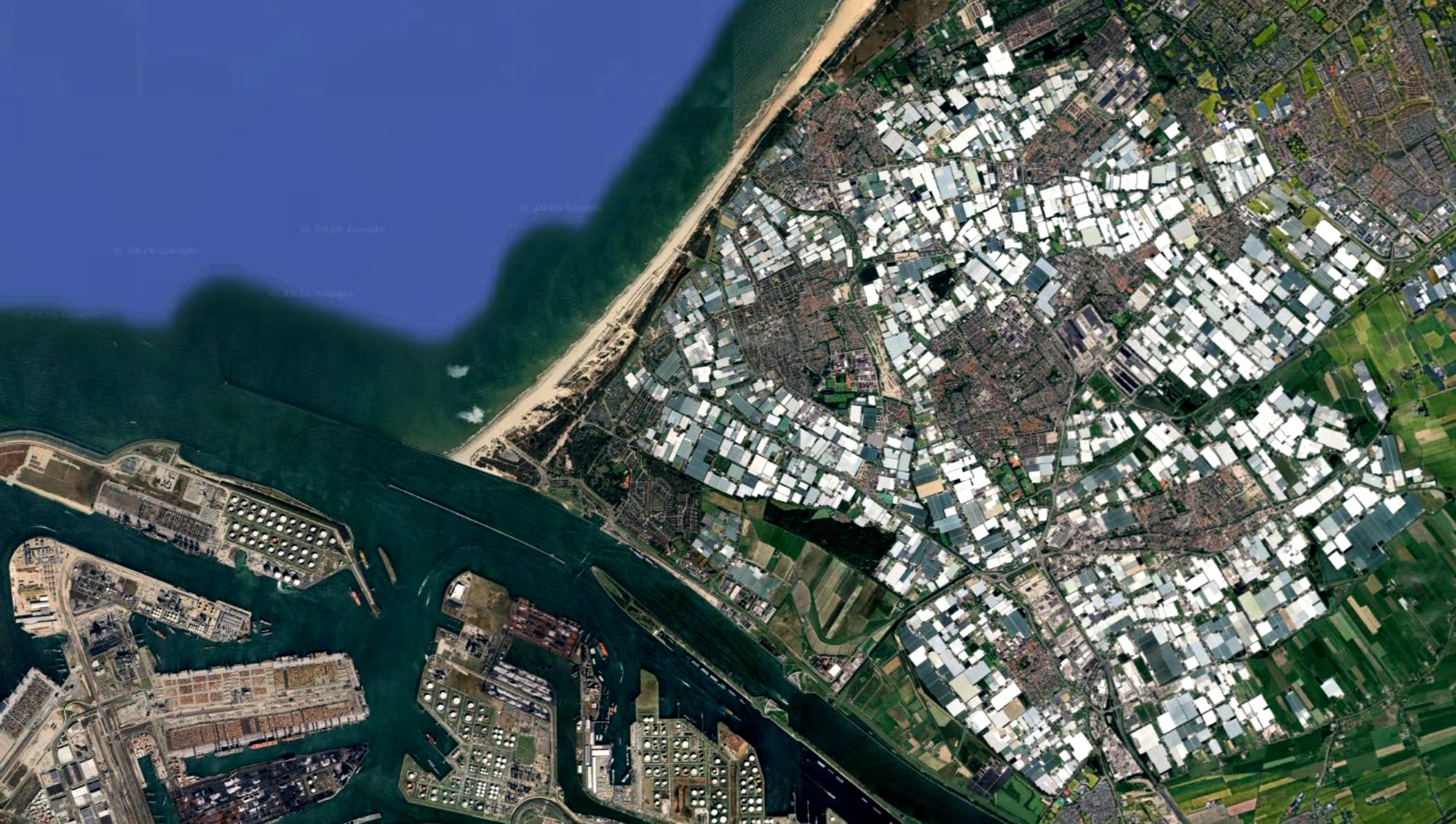
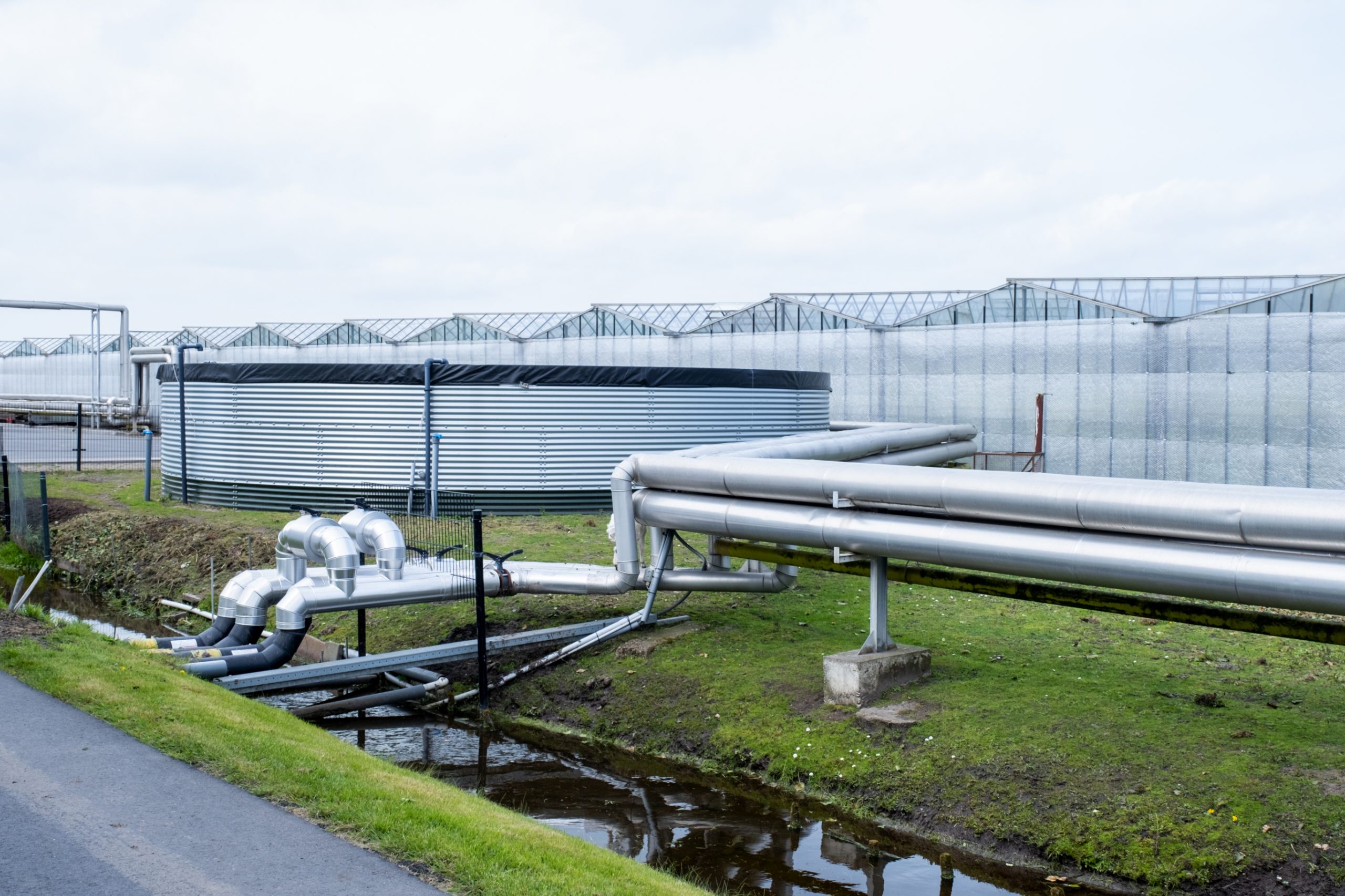




A participatory artistic research examining the visible and invisible architecture of Westland as a metabolic body designed to extract maximum output from land, plants, people and substances. Understood metabolically, this architecture not only organises production and circulation, but also redistributes environmental and social pressures, such as pollution, exhaustion and ecological stress, across bodies, landscapes and time. The research draws on theories of territorial metabolism and slow violence and explores extraction and fluidity through elliptical methodology.
Working with local residents and labour immigrants, the project uses field trips, interviews, participatory mapping and artistic and archival research to articulate situated knowledge and provide critical analysis of this region from a range of perspectives.
The outcomes will include public presentations developed in collaboration with partners, guided artistic field trips, and a dedicated website that shares the findings with local communities, cultural and activist audiences and academic networks. By actively engaging partners such as ecological and social organisations, cultural and academic institutions, the project aims to create impact beyond its immediate scope and contribute to broader debates on architecture, agriculture and environmental justice in the Netherlands and beyond.
The project is made possible with the support of Stimuleringsfonds.